


Using Leverage in Trading and the Concept of Lot
Introduction
In the world of financial trading, especially in markets like Forex, concepts such as “leverage” and “lot” are fundamental pillars of capital management and trading strategies. A proper understanding of these concepts not only helps traders control their risk but can also lead to increased efficiency and profitability.

The Concept of Lot in Trading
Definition of Lot
A “lot” is the standard unit for measuring trade volume in the Forex market. Simply put, a lot determines how much of an asset a trader buys or sells.
Types of Lots
Type of Lot | Equivalent Volume in Base Currency | Description |
|---|---|---|
Standard Lot | 100,000 units | The most common type of lot |
Mini Lot | 10,000 units | Suitable for smaller accounts |
Micro Lot | 1,000 units | For beginner traders or those with small capital |
Nano Lot | 100 units | Less common, but useful for practice |
The Concept of Leverage
Definition of Leverage
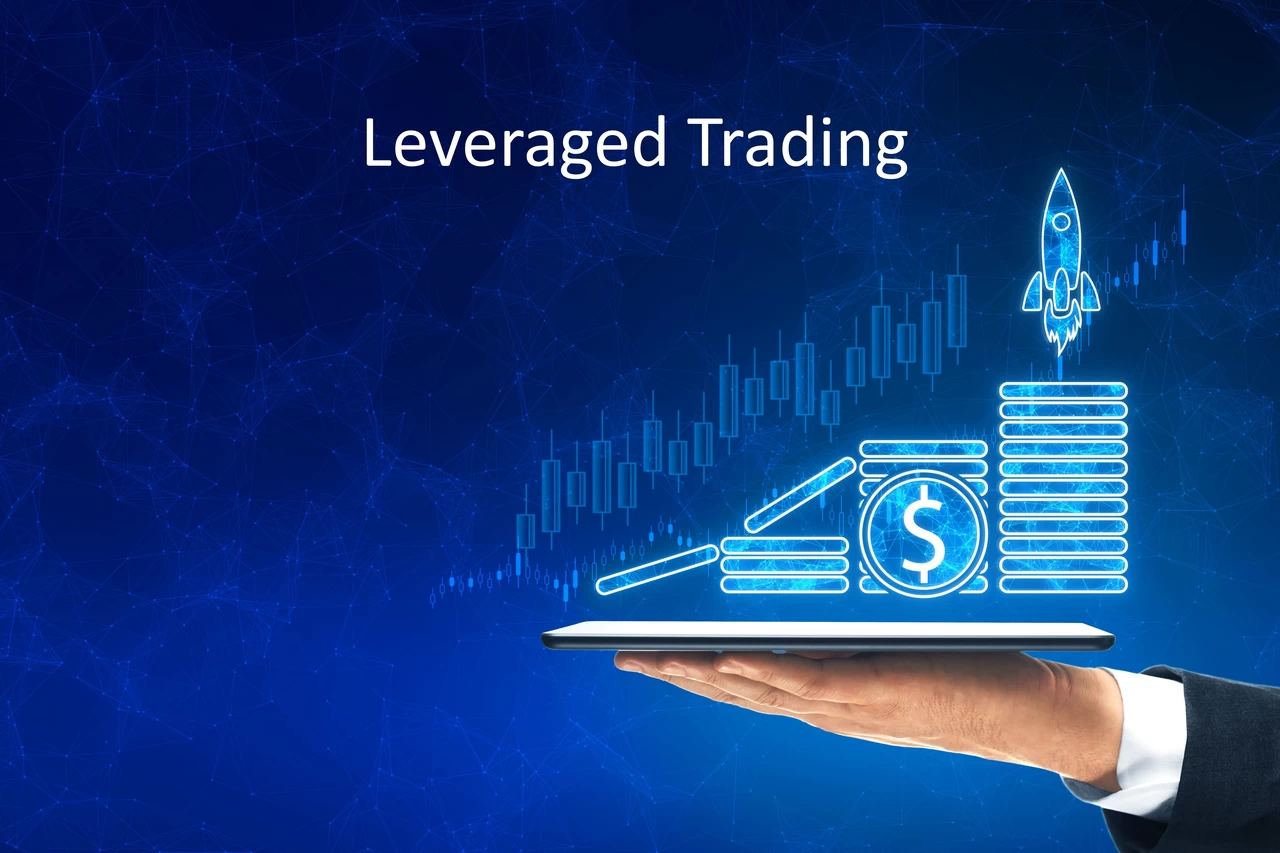
Leverage is a tool that allows a trader to control a larger trade volume with less capital. In other words, leverage acts like a loan provided by the broker so the trader can open larger positions.
How Leverage is Displayed
- 1:1 (No leverage)
- 1:10
- 1:50
- 1:100
- 1:500
Relationship Between Lot and Leverage
Lot and leverage directly affect the margin required to open a trade.
Formula: Required Margin = Trade Volume ÷ Leverage
Advantages of Using Leverage
- ✅ Increased purchasing power
- ✅ Potential for higher profitability
- ✅ Flexibility in strategies
Disadvantages and Risks of Leverage
- ⚠️ Increased risk of loss
- ⚠️ Possibility of margin call
- ⚠️ False sense of security

Risk Management in Using Leverage
- ✅ Use of stop loss
- ✅ Proper risk-to-reward ratio
- ✅ Avoiding high leverage in small accounts
- ✅ Diversification in trades
Difference Between Real and Effective Leverage
Real Leverage: The ratio of total open trade volume to account balance
Effective Leverage: The leverage actually used, which changes depending on open trade volume
Impact of Leverage on Trader Psychology
High leverage can cause excitement, greed, or fear in traders. Controlling emotions and sticking to a trading strategy is highly important.
The Role of Brokers in Determining Leverage
Different brokers, depending on regulatory rules and their internal policies, offer different leverage levels. Some European brokers limit leverage to 1:30, while brokers outside Europe may offer leverage up to 1:1000.
Conclusion
Leverage and lot are two key concepts in financial trading, and understanding them correctly is essential for success in the market. To use these tools effectively, following risk management principles, controlling emotions, and choosing appropriate leverage based on experience and capital are crucial.