

Silver Price Outlook for 2026
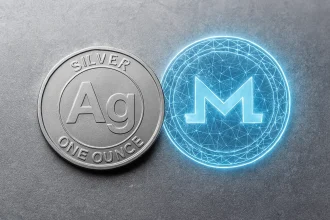
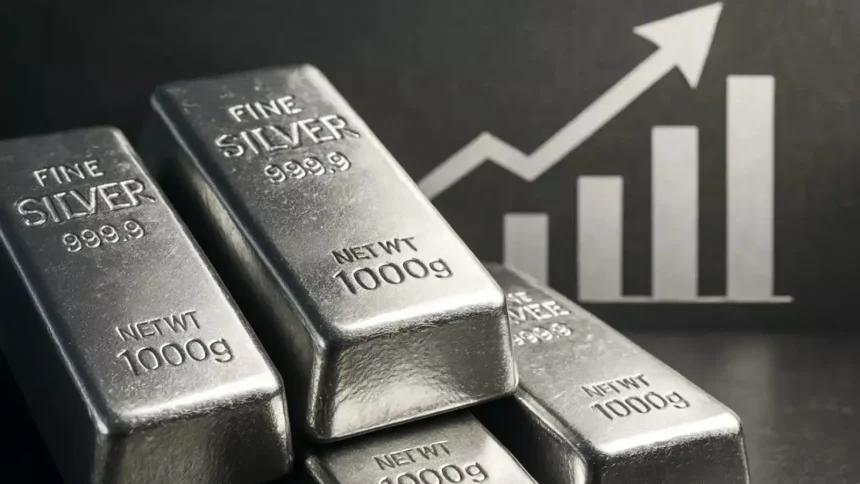
Silver was one of the phenomena of global markets in 2025. This precious metal, which plays both an investment and industrial role, managed to rise more than 280% in 2025 to reach historic records.

By the end of 2025, silver prices had climbed to around $84 per ounce, the highest level in trading history.
This surge not only surprised traditional investors but also attracted the attention of modern industries and economic policymakers.
Reasons Behind the Silver Price Surge in 2025
- Industrial Demand: Solar, electric vehicles, batteries, data centers, and semiconductors pushed silver consumption to unprecedented levels.
- Supply Deficit: For the fifth consecutive year, silver supply was lower than demand. The deficit was reported at around 125–149 million ounces.
- Declining Inventories: London vaults and ETFs saw their reserves fall to multi-year lows.
- Weak U.S. Dollar: A drop in the DXY index created favorable conditions for precious metals.
- Investment Demand: Beyond industrial use, silver was purchased as an inflation hedge and store of value.
Link Between silver Price Drivers and Industrial Applications
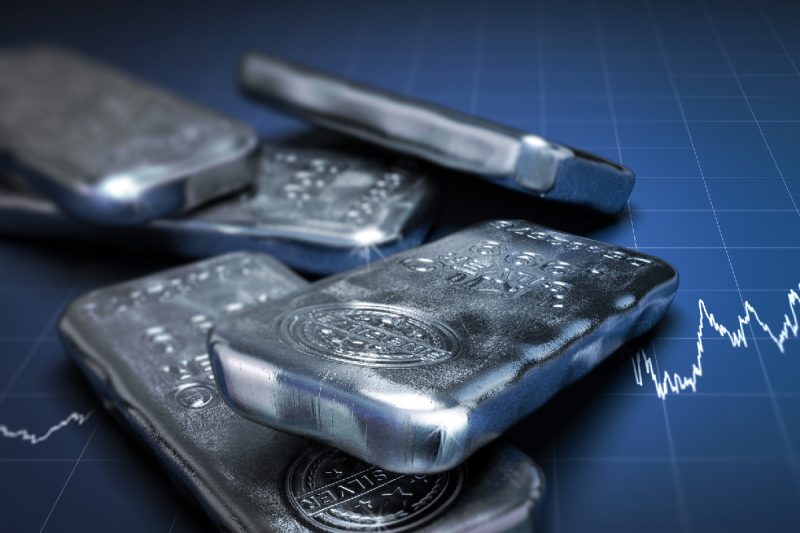
One of silver’s unique features is its dual role as both an investment and industrial metal. Unlike gold, which is mainly a store of value,
silver has vital applications in modern industries. This alignment between rising demand and industrial use explains the price surge:
- Solar Energy: Over 25% of global silver consumption goes into solar panels. The push for clean energy boosted demand.
- Electric Vehicles: Each EV uses between 25–50 grams of silver. Rising EV sales intensified demand pressure.
- Electronics and Semiconductors: Silver is the best electrical conductor, used in chips and critical connections.
- Medical Sector: Silver’s antibacterial properties led to widespread use in medical equipment and pharmaceuticals.
- 5G Networks and Data Centers: Growth in communication technologies increased silver demand in telecom equipment.
Thus, as industrial applications expand, demand pressure on the silver market rises, directly reflected in higher prices.
Silver Outlook for 2026
Entering 2026 brings different conditions. On one hand, industrial demand continues to grow and supply deficits persist.
On the other, the sharp price surge in 2025 has led many analysts to expect a deep correction in the short term.
Such a correction could trim rapid gains, but the long-term outlook remains positive.
Financial Institutions’ Forecasts for Silver in 2026
Institution/Analyst | Price Forecast (per ounce) | Timeframe |
|---|---|---|
World Bank | $41 | End of 2026 |
JP Morgan | $58 | 2026 |
Saxo Bank | $60–70 | 2026 |
Citigroup | $60–72 | 2026 |
InvestingHaven | $75 (2027) / peak $88 (2028) | Mid-term |
Robert Kiyosaki | $100–200 | 2026 |
Key Factors Affecting Silver Price in 2026
1. Industrial Demand
The solar energy sector remains the largest consumer of silver. In 2024, over 25% of global supply went into solar panels, and this trend grew in 2025.
Forecasts suggest this share will rise further in 2026 as nations accelerate their transition to clean energy.
2. Federal Reserve Monetary Policy
Expected interest rate cuts in 2026 could weaken the dollar and support silver prices.
Any changes in U.S. monetary policy have direct impacts on precious metals markets.
3. Mine Supply
Growth in mine production is limited, and recycling cannot close the gap between supply and demand.
This will keep supply pressure intact in 2026.
4. Silver Price Correction Risk
After a 120% surge in 2025, a sharp correction in 2026 is possible.
Prices could fall to the $50–55 range before resuming a long-term upward trend.
Advantages and Risks of Investing in Silver
- Advantages: Dual role as investment and industrial metal, inflation hedge, steady demand in renewables.
- Risks: High volatility, potential deep correction, dependence on monetary policy and geopolitical conditions.
Conclusion
Silver’s performance in 2025 was historic, entering a “price discovery” phase. The 2026 outlook remains positive,
but investors must be prepared for sharp volatility and possible deep corrections.
In the long run, industrial demand and supply deficits could push prices higher, even beyond $70 per ounce.
Nevertheless, risk management and portfolio diversification are essential to withstand market swings.
Technical Analysis and Potential Charts
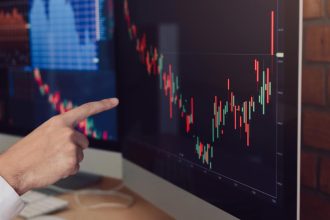
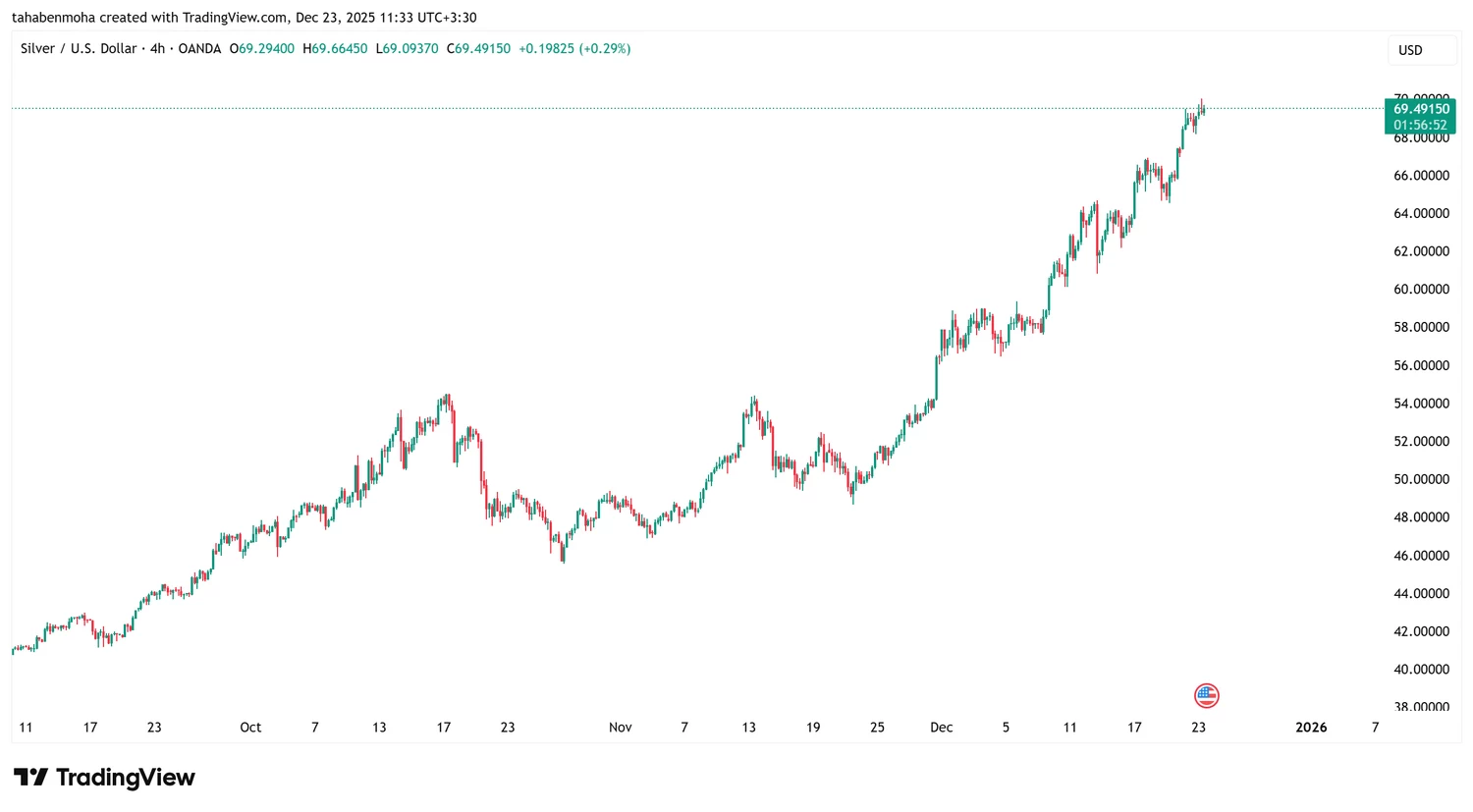
Technical charts show silver price broke past the historic $30 resistance in 2025,
entering a new bullish channel. Mid-term targets are around $70, with long-term projections up to $85.
However, RSI and MACD indicators show overbought conditions, reinforcing the likelihood of short-term corrections.
Price Growth and Industrial Applications
Silver’s price growth is directly tied to rising industrial demand. As technologies such as solar energy, EVs, and 5G expand,
silver consumption increases. This dual role makes silver not only an investment asset but also a critical industrial commodity,
placing it in a unique position compared to other metals.
Possible Scenarios for 2026
- Bullish Scenario: Continued supply deficits and rising industrial demand could push silver above $70.
- Correction Scenario: After the sharp 2025 rally, a deep correction to around $50 is possible.
- Stabilization Scenario: Prices may consolidate between $55–65 as the market seeks a new balance.
Key Recommendations for Investors
- Diversify portfolios and avoid over-concentration in silver.
- Use hedging tools such as futures contracts.
- Track supply-demand reports from reputable institutions.
- Monitor U.S. monetary policy and interest rates.
- Manage liquidity and choose markets with high trading volumes.
Final Conclusion
Silver in 2025 proved it can serve both as an investment asset and a vital industrial commodity.
The 2026 outlook is a mix of opportunities and risks: industrial demand and supply deficits may drive prices higher,
while the recent sharp rally increases the likelihood of a deep correction.
Investors should approach the market with balance—leveraging long-term opportunities while preparing for short-term volatility.