

Financial Giants Enter Real Estate Tokenization; The Future of RWA on Blockchain
Introduction
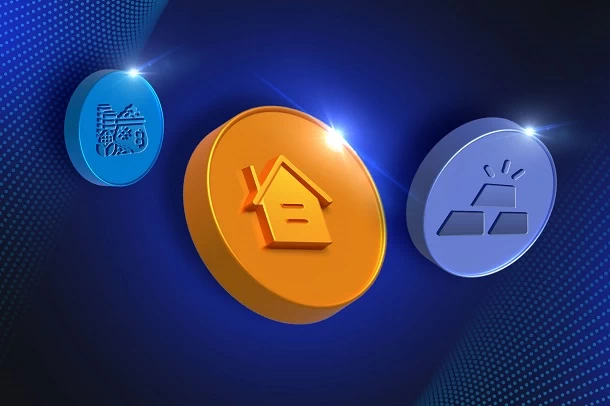
In recent years, the cryptocurrency market has witnessed fundamental changes. While Bitcoin and Ethereum remain the pillars of this industry, new trends are emerging that could completely reshape the future of blockchain. One of these trends is Real World Asset (RWA) Tokenization, a concept that refers to converting physical assets such as real estate, securities, and even artworks into tradable digital tokens.
In December 2025, the news of major companies like BlackRock and Franklin Templeton entering the real estate tokenization space attracted significant attention from analysts and investors. This development not only signals the widespread adoption of blockchain in traditional finance but also opens new pathways for both retail and institutional investment.
What is Tokenization and Why Does It Matter?
Tokenization is the process of dividing a physical or financial asset into digital units, with each unit represented as a token recorded on the blockchain. These tokens can represent ownership, usage rights, or a share of the asset’s income. For example, a commercial building can be divided into a thousand tokens, and each investor who buys one or more tokens owns a portion of that building.
Key benefits of this trend include:
- Increased Liquidity: Assets like real estate, which typically have low liquidity, can be quickly traded in digital markets.
- Lower Barriers to Entry: Retail investors can participate with small amounts in markets previously accessible only to large investors.
- Transparency and Security: Blockchain, as an immutable ledger, records ownership and transactions with full transparency.
- Reduced Costs: Eliminating unnecessary intermediaries and complex administrative processes lowers investment costs.
Entry of Traditional Financial Giants
The entry of companies like BlackRock and Franklin Templeton into RWA highlights a serious shift in financial markets. These firms, managing billions of dollars in assets, are now seeking to leverage blockchain to improve efficiency and attract new investors.
BlackRock recently announced that part of its investment funds will be issued as tokens on the blockchain. This move could mark a turning point in blockchain adoption by traditional financial institutions and enhance public trust in the technology.
Emerging Protocols: The Case of RentStac
Alongside the entry of major firms, emerging protocols like RentStac (RNS) are developing specialized infrastructure for real estate tokenization. RentStac uses legal structures such as SPVs (Special Purpose Vehicles) to guarantee legal ownership of each property and divide it into digital tokens.
This model enables Fractional Ownership, allowing retail investors to access global real estate markets. For instance, an investor in Iran could buy a few tokens and own part of an apartment in New York—without physical presence or complex legal procedures.
Impact on Capital Markets
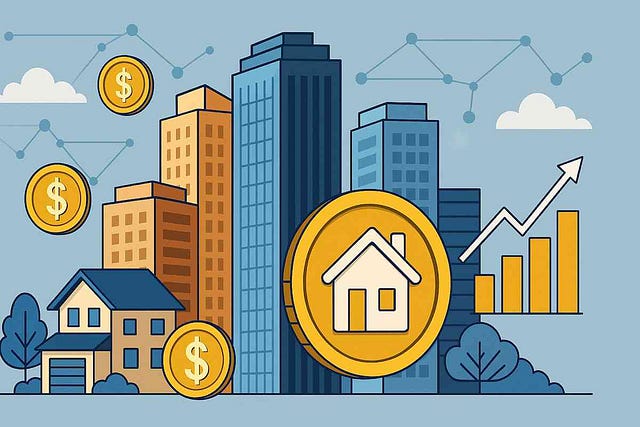
The integration of RWA into crypto markets could have broad impacts on investment. On one hand, it injects new liquidity into the market; on the other, it attracts traditional investors toward blockchain. Analysts believe that if RWA projects succeed, the total value of the crypto market could multiply in the coming years.
Moreover, combining real assets with blockchain technology can reduce investment risk. Unlike meme coins or unsupported projects, RWA tokens are backed by physical and legal assets, fostering greater trust.
Challenges and Barriers
- Legal Issues: Property ownership and transfer laws vary across countries, requiring extensive legal coordination.
- Technical Infrastructure: Blockchain must be capable of handling high transaction volumes.
- Public Adoption: Traditional investors still harbor doubts about blockchain’s security and efficiency.
- Market Risks: Token price volatility can affect the real value of assets.
Summary
December 2025 can be seen as a turning point in cryptocurrency history. The entry of traditional financial giants into real estate tokenization and the rise of emerging protocols like RentStac demonstrate the maturity of the crypto market and its shift toward real-world applications. Although legal and technical challenges remain, the overall trend shows that the future of investment is deeply tied to blockchain.
For professional investors, tracking RWA projects can create new opportunities. These projects not only enable access to global markets but also reduce investment risk through real asset backing. Many analysts believe RWA could act as the driving engine of the next crypto market growth cycle.
Final Conclusion
The trend of Real World Asset (RWA) tokenization in December 2025 shows that blockchain is no longer merely a tool for cryptocurrency transactions but has become an infrastructure for the global economy. The entry of financial giants such as BlackRock and Franklin Templeton into this space has added credibility and legitimacy to RWA projects.
Protocols like RentStac, by enabling fractional ownership, have created new opportunities for retail investors. This change could democratize investment in global markets, especially in real estate, which has traditionally faced high entry barriers and low liquidity.
At the same time, legal, technical, and cultural challenges persist. Full success requires cooperation among governments, financial institutions, and blockchain developers. If such collaboration occurs, RWA could drive the next wave of crypto market growth and push its total value to unprecedented levels.
Ultimately, professional investors must enter this space with caution and deep analysis. Great opportunities lie alongside serious risks, and only those with long-term vision and sufficient knowledge can truly benefit.