

What Is Digital Gold?
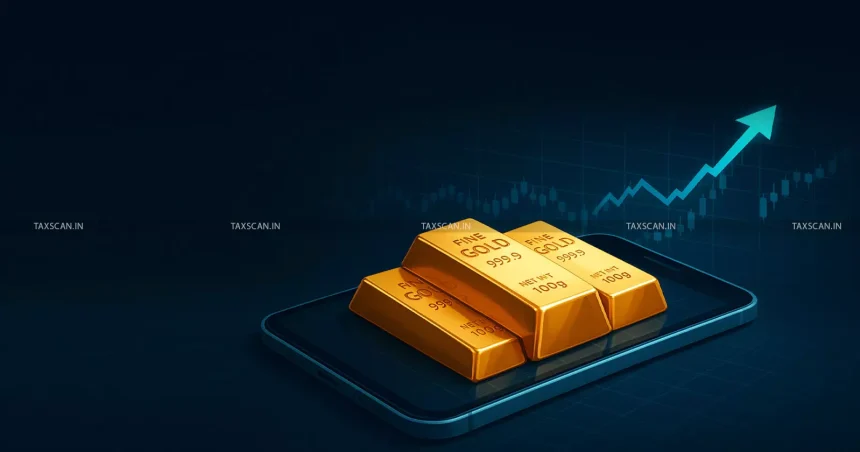
Digital gold, or Gold-backed cryptocurrency, refers to tokens whose value is directly tied to physical gold.
These assets combine the security and historical credibility of gold with the flexibility of blockchain technology. Each token usually represents a specific unit of gold (for example, one gram or one troy ounce) stored in secure vaults.

The History of Gold as a Store of Value
Gold has been recognized as a symbol of wealth and power for thousands of years. In ancient Egypt, gold was used to create royal jewelry and for trade.
In the Middle Ages, many governments minted gold coins. In the 19th and 20th centuries, the gold standard was adopted as the foundation of the global monetary system.
Although this standard was abandoned in the 1970s, gold has continued to maintain its role as a store of value and a hedge against inflation.

Why Is Digital Gold Important?
- Value Stability: Gold has always been recognized as a global store of value.
- Global Accessibility: The ability to buy and sell gold without physical handling or storage.
- Transparency: Ownership and transactions are recorded on the blockchain.
- Inflation Hedge: Gold serves as a hedge during economic crises.
- Digital Liquidity: 24/7 trading on cryptocurrency exchanges.
Projects and Companies Offering Digital Gold
Project Name | Symbol | Backing | Features |
|---|---|---|---|
Pax Gold | PAXG | Each token equals one ounce of gold | Redeemable for LBMA gold, audited reserves, high liquidity |
Tether Gold | XAUT | Gold stored in Swiss vaults | Partial redemption, integrated with Tether ecosystem, deep liquidity |
DigixGlobal | DGX | Each token equals one gram of gold | Stored in reputable vaults, physical redemption available |
Comtech Gold | CGO | Gold with LBMA standard | Sharia-compliant, built on XDC network |
VNX Gold | VNXAU | Gold stored in the European Union | Multi-chain support, regulated by FMA Liechtenstein |
Comparing Project Credibility
- Pax Gold (PAXG): Regulated by NYDFS in the U.S., audited reserves, high liquidity.
- Tether Gold (XAUT): Deep liquidity, integrated with Tether, but registered in the British Virgin Islands.
- DigixGlobal (DGX): An older project with real backing, but less liquid compared to PAXG.
- Comtech Gold (CGO): Innovative, Sharia-compliant, suitable for Middle Eastern markets.
- VNX Gold (VNXAU): Regulated in the EU, limited liquidity but strong legal framework.
Digital Gold vs. ETFs and Futures
Gold ETFs
Exchange-traded funds (ETFs) track the price of gold and allow trading on traditional exchanges. They usually do not provide direct ownership of gold, and physical redemption is difficult or impossible for retail investors.
Futures Contracts
Derivatives that trade the future price of gold. They are more suitable for professional traders with high risk tolerance.
Digital Gold
Direct or indirect ownership of gold with fast transferability, blockchain transparency, and 24/7 access.
Practical Applications of Digital Gold
- Stable value storage in investment portfolios.
- Physical redemption available in some projects.
- Use as collateral in DeFi.
- International value transfer with low fees.
Risks of Investing in Digital Gold
- Liquidity Risk: Some tokens have small markets, making quick sales difficult.
- Technical Risk: Security issues or platform hacks can threaten assets.
- Legal Risk: Regulations on backed cryptocurrencies vary and may change.
- Trust Risk: Lack of independent audits or insufficient transparency about vaults reduces confidence.
- Gold Price Risk: Global gold price fluctuations directly affect token value.
- Counterparty Risk: In centralized projects, vault management and insurance quality are critical.
Key Symbols
- PAXG: Pax Gold token backed by one ounce of gold.
- XAUT: Tether Gold token stored in Swiss vaults.
- DGX: DigixGlobal token equal to one gram of gold.
- CGO: Comtech Gold token compliant with LBMA standards.
- VNXAU: VNX Gold token regulated in the EU.
How to Choose the Right Project
- Audits and Reserve Reports: Ensure the project publishes independent reports and has insured vaults.
- Liquidity: Check trading volume, exchange listings, and price spreads.
- Redemption Policy: Study the process, minimums, fees, and execution for converting tokens to physical gold.
- Legal Compliance: Consider your country’s regulations and related risks.
- Ecosystem and Utility: Evaluate usability in payments, DeFi, and complementary financial tools.
Risk Management and Practical Tips for Investors
- Diversification: Make digital gold a part of your portfolio, not the whole.
- Secure Wallets: Use reputable wallets with multi-factor authentication and safe key storage.
- Liquidity Monitoring: Check market depth and spreads before entering; plan for large exits.
- News Tracking: Follow regulatory changes, technical updates, and audit reports.
- Investment Horizon: Define your goal—hedging inflation, diversification, or short-term trading.
The Future of Digital Gold
With rising gold prices and investor interest in stable assets, digital gold projects are expected to grow.
The combination of artificial intelligence and blockchain can make vault audits more transparent and efficient.
Additionally, the entry of traditional financial institutions and banks into this space can increase liquidity and mainstream adoption.
Successful projects will prioritize transparency, regulatory compliance, and user experience.
Conclusion
Digital gold bridges the traditional world of precious metals with blockchain technology.
Projects like Pax Gold and Tether Gold with real backing and high liquidity are more reliable options.
In contrast, projects like Comtech Gold and VNX Gold are more suitable for specific investors with different goals.
Choosing between these projects should be based on financial goals, risk tolerance, and liquidity needs.
Digital gold can serve as an inflation hedge and a store of value, holding a special place in modern investment portfolios.