

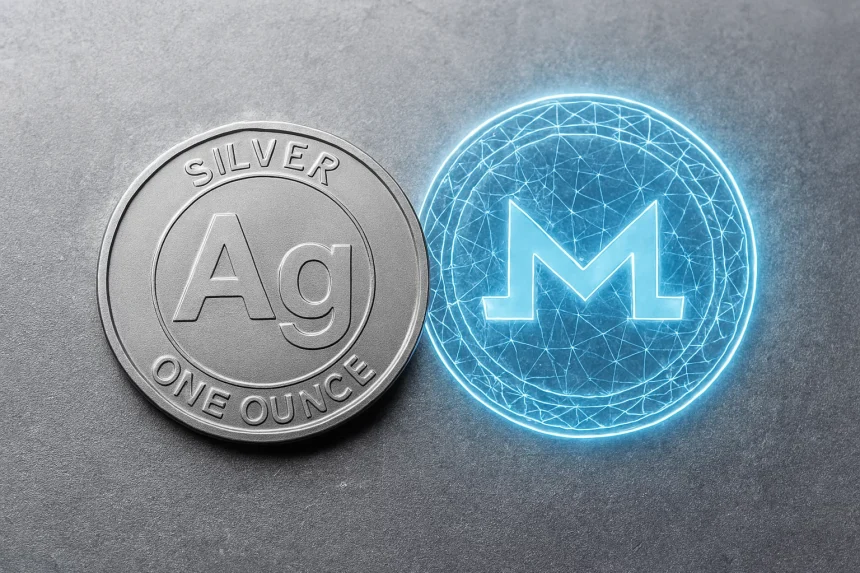
What Is Digital Silver? Companies, Symbols, Risks, and a Comprehensive Investment Guide
Digital silver refers to tokens or cryptographic assets whose value is linked to the price of silver—either backed by physical silver stored in secure vaults, or synthetically (Synthetic), merely tracking the price of silver.
This class of assets aims to combine the benefits of two worlds: the stability and credibility of precious metals alongside the speed, transparency, and transferability of blockchain. In many projects, each token represents a specific unit of silver (e.g., one troy ounce), stored in insured vaults, with ownership recorded on the blockchain.
Why Is Digital Silver Important?
- Value Stability: Silver has historically been recognized as a store of value and acts as a hedge during inflationary periods.
- Global Accessibility: Buy, sell, and transfer ownership without physical handling or presence in traditional markets.
- Transparency and Traceability: Transactions and ownership are recorded on the blockchain, with auditability and reserve reporting.
- Digital Liquidity: 24/7 trading on crypto exchanges and DeFi platforms.
- Industrial Utility of Silver: Steady demand in electronics, solar energy, and medical industries adds to its investment appeal.
A Brief History of Silver as a Store of Value
Silver has played a role in trade and coinage for thousands of years. In the Middle Ages, many governments issued silver coins as official currency. Over time, with the emergence of modern monetary systems, silver’s role shifted from circulating money to an industrial and investment asset. Yet, its status as a relative safe haven against inflation and instability remains. Today, the combination of industrial use and investment value makes silver an attractive option for portfolio diversification.
Companies and Projects Offering Digital Silver
Globally, several notable projects operate in the digital silver space. Some are backed by physical silver and insured vaults, while others are synthetic and based on DeFi protocols. The table below provides an overview of key examples:
Project Name | Symbol | Backing Type | Key Features |
|---|---|---|---|
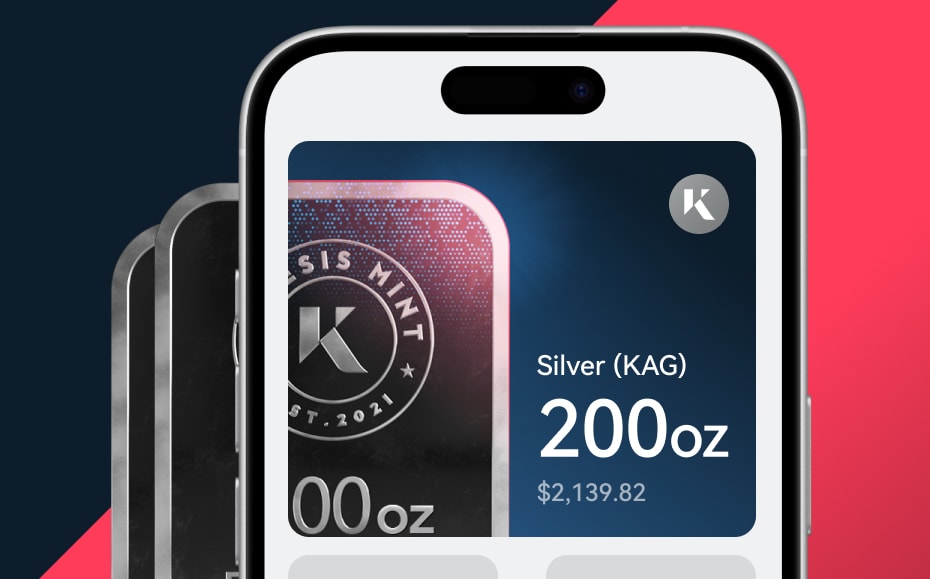
KAG | Physical backing (each token ≈ one ounce) | Insured vaults, audit reports, fast payment and transfer ecosystem | |
Aurus tSILVER | TXAG | Physical backing | Aurus ecosystem, issued by precious metal partners, focus on liquidity |
Synthetix Silver | sXAG | Synthetic | Tracks silver price without physical storage, suitable for DeFi and trading |
Gram Silver | GRAMS | Physical backing | Focus on accessibility in emerging markets, growing liquidity |
Comparing Project Credibility
The credibility of a digital silver project depends on several key factors: reserve transparency (periodic reports and independent audits), vault quality and insurance, market liquidity (trading volume and exchange listings), team history and legal compliance. In general:
- Kinesis Silver (KAG): Highly credible with insured vaults and regular audit reports; ideal for investors seeking real backing.
- Aurus tSILVER (TXAG): Innovative with a network of metal partners; credibility depends on issuance quality and ecosystem liquidity.
- Synthetix sXAG: Synthetic asset without physical backing; suitable for DeFi traders who accept technical and market risks.
- Gram Silver: Smaller project with limited liquidity; worth considering for diversified portfolios and long-term horizons.
Digital Silver vs. ETFs and Futures
Silver ETFs
Exchange-traded funds (ETFs) track silver prices and allow trading on traditional exchanges. They typically do not grant direct ownership of physical silver, and redemption is difficult or impossible for retail investors. Their advantages include ease of access in traditional markets and recognized regulatory frameworks.
Futures Contracts
These are derivatives that trade the future price of silver. They are more suitable for professional traders with high risk tolerance, requiring margin management and deep understanding of volatility. Their main benefits are financial leverage and high liquidity in major markets.

Digital Silver
Ownership of backed or synthetic tokens with fast transferability, blockchain transparency, and 24/7 access. In backed versions, physical redemption may be available depending on project policies. For investors interested in combining precious metal stability with crypto flexibility, it’s an attractive option.
Practical Applications of Digital Silver
- International Payments: Value transfer based on silver without intermediaries, with lower fees and faster settlement.
- Secure Storage: Silver ownership without physical handling, transparently recorded on blockchain.
- Portfolio Diversification: Combining high-risk assets with stable ones to reduce overall volatility.
- DeFi: Using digital silver as collateral in decentralized loans or liquidity pools.
- Inflation Hedge: Leveraging silver’s historical role as a store of value during inflationary periods.
Risks of Investing in Digital Silver
- Liquidity Risk: Some tokens have limited trading volume; selling quickly at a good price may be difficult.
- Technical and Security Risk: Smart contract flaws, exchange hacks, or wallet breaches can threaten assets.
- Legal and Regulatory Risk: Countries have varying and evolving laws regarding backed cryptocurrencies.
- Trust and Audit Risk: Lack of independent reports or insufficient transparency about vaults reduces investor confidence.
- Silver Price Risk: Silver itself is volatile; global price drops directly affect token value.
- Counterparty Risk: In centralized projects, vault management and insurance quality are critical.
Key Symbols
- KAG: Kinesis Silver token with physical backing.
- TXAG: tSILVER token from Aurus ecosystem with physical backing.
- sXAG: Synthetic asset from Synthetix tracking silver price.
- GRAMS: Gram Silver token focused on accessibility.
How to Choose the Right Project
- Audits and Reserve Reports: Ensure the project publishes independent periodic reports and has insured vaults.
- Liquidity: Check trading volume, exchange listings, and price spread.
- Redemption Policy: Study the process, minimums, fees, and execution for converting tokens to physical silver.
- Legal Compliance: Consider your country’s regulations and related risks.
- Ecosystem and Utility: Evaluate usability in payments, DeFi, and complementary financial tools.
Risk Management and Practical Tips for Investors
- Diversification: Make digital silver a part of your portfolio, not the whole.
- Secure Wallets: Use reputable wallets with multi-factor authentication and safe key storage.
- Liquidity Monitoring: Before entering, check market depth and spreads; plan ahead for large exits.
- News Tracking: Follow regulatory changes, technical updates, and audit reports.
- Investment Horizon: Define your goal—hedging inflation, portfolio diversification, or short-term trading.
The Future of Digital Silver
With growing industrial demand and investor interest in stable assets, digital silver projects are expected to expand. The combination of artificial intelligence and blockchain can make vault audits more transparent and efficient. Moreover, the entry of traditional financial institutions and banks—through partnerships or hybrid products—may increase liquidity and mainstream adoption. At the same time, competition with ETFs and traditional derivatives will continue, and successful projects will prioritize transparency, regulatory compliance, and user experience.
Conclusion
Digital silver bridges the traditional world of precious metals with blockchain technology. If you value real backing and the possibility of physical redemption, projects like Kinesis and Aurus are more appealing. If your focus is trading and leveraging DeFi tools, synthetic assets like sXAG may be suitable—provided you accept technical and market risks. In all cases, decisions should be based on financial goals, risk tolerance, liquidity, and regulatory compliance.